Solution
Our Solutions
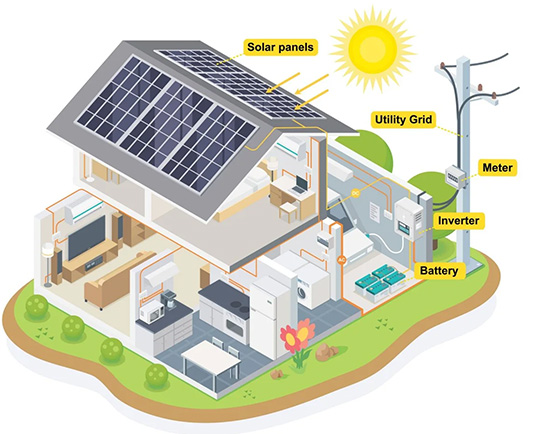
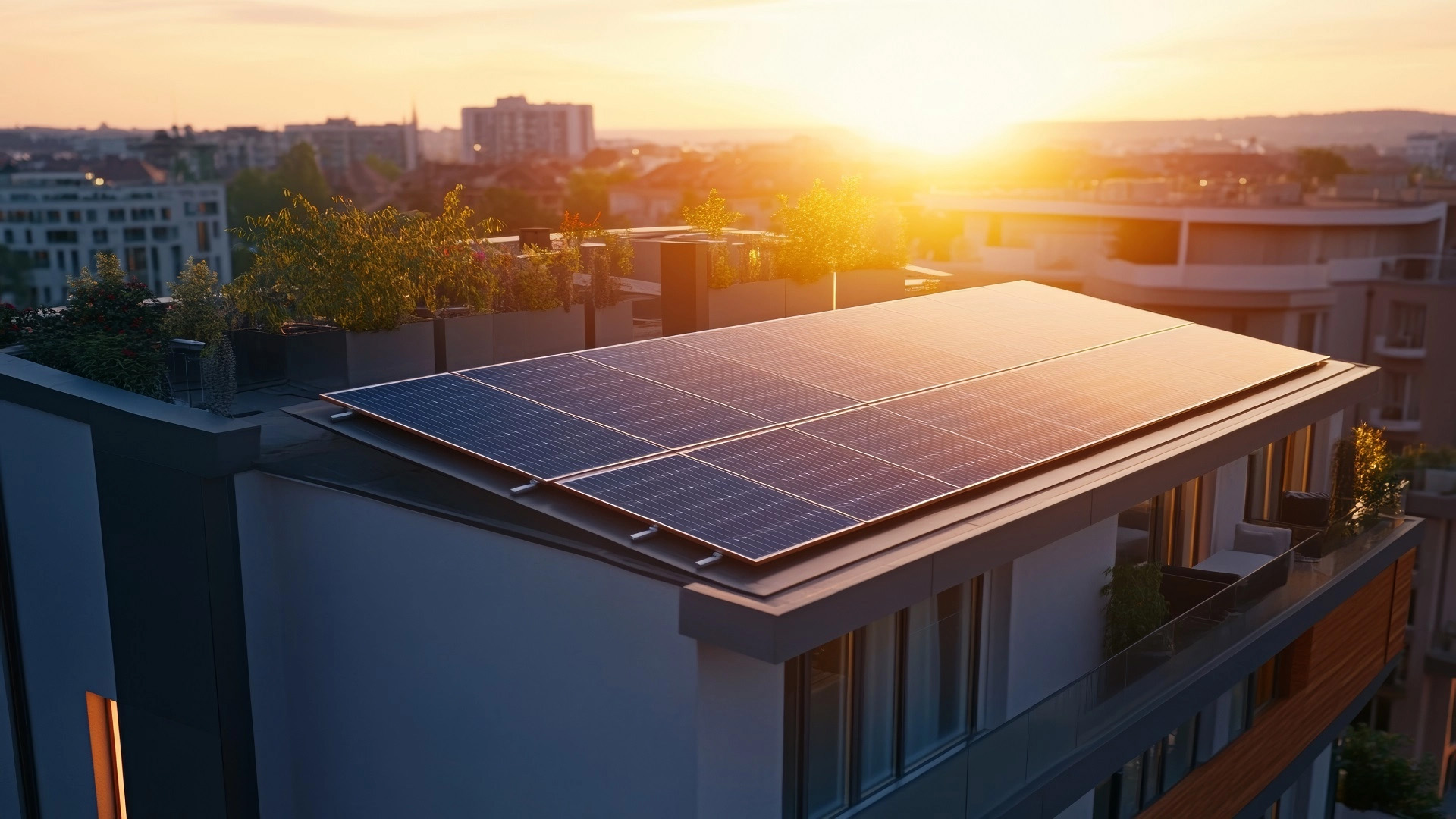
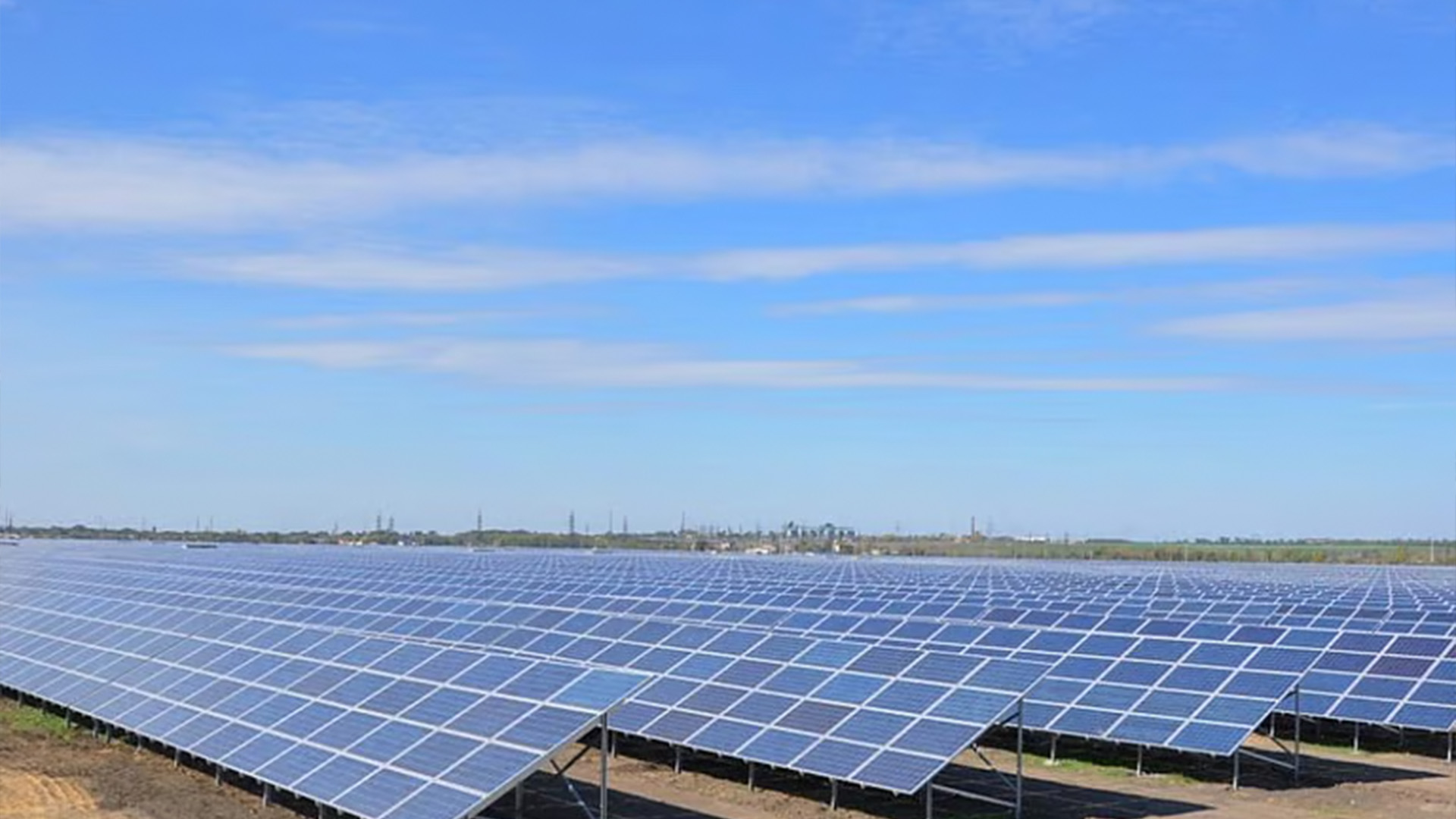
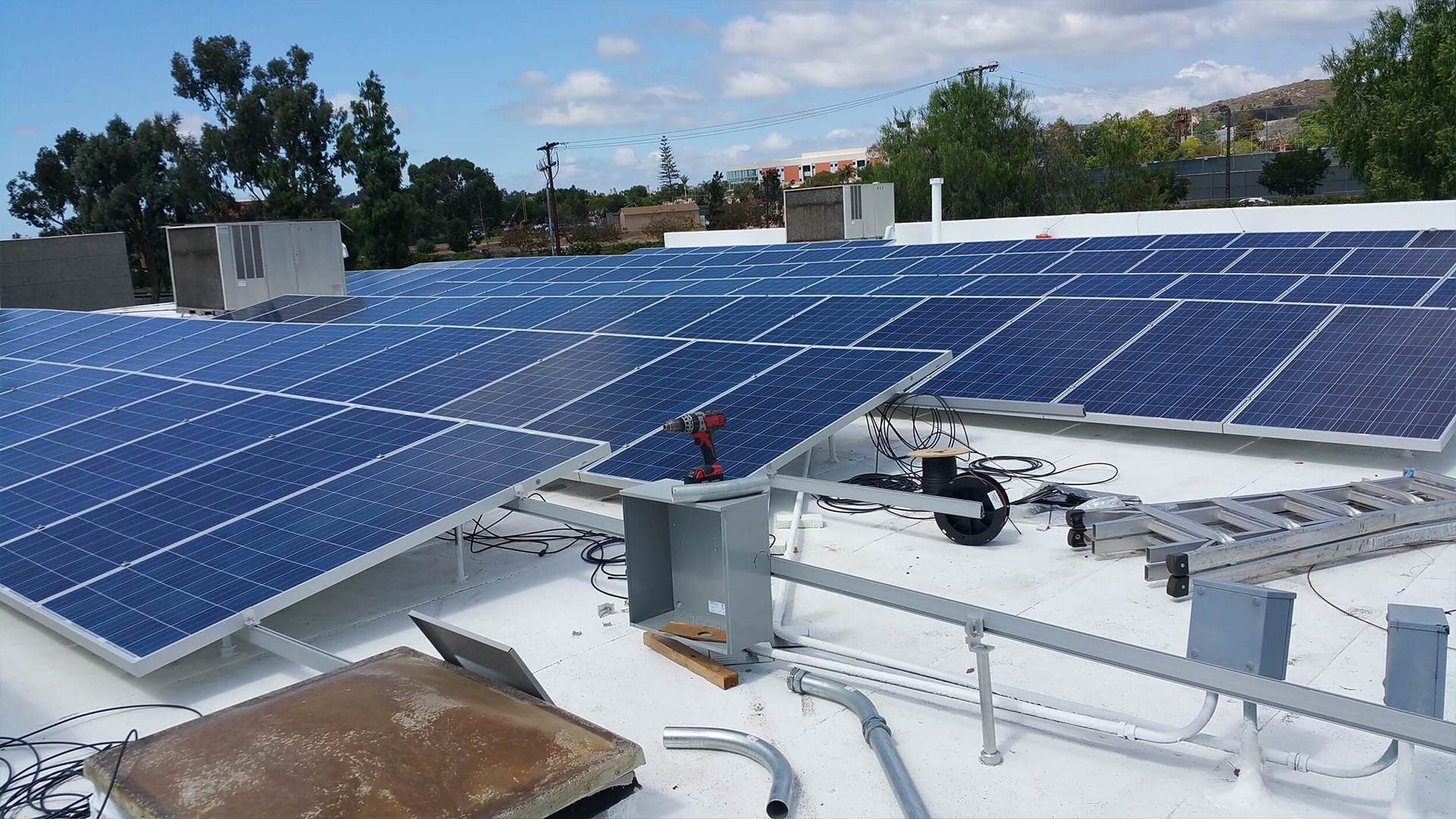
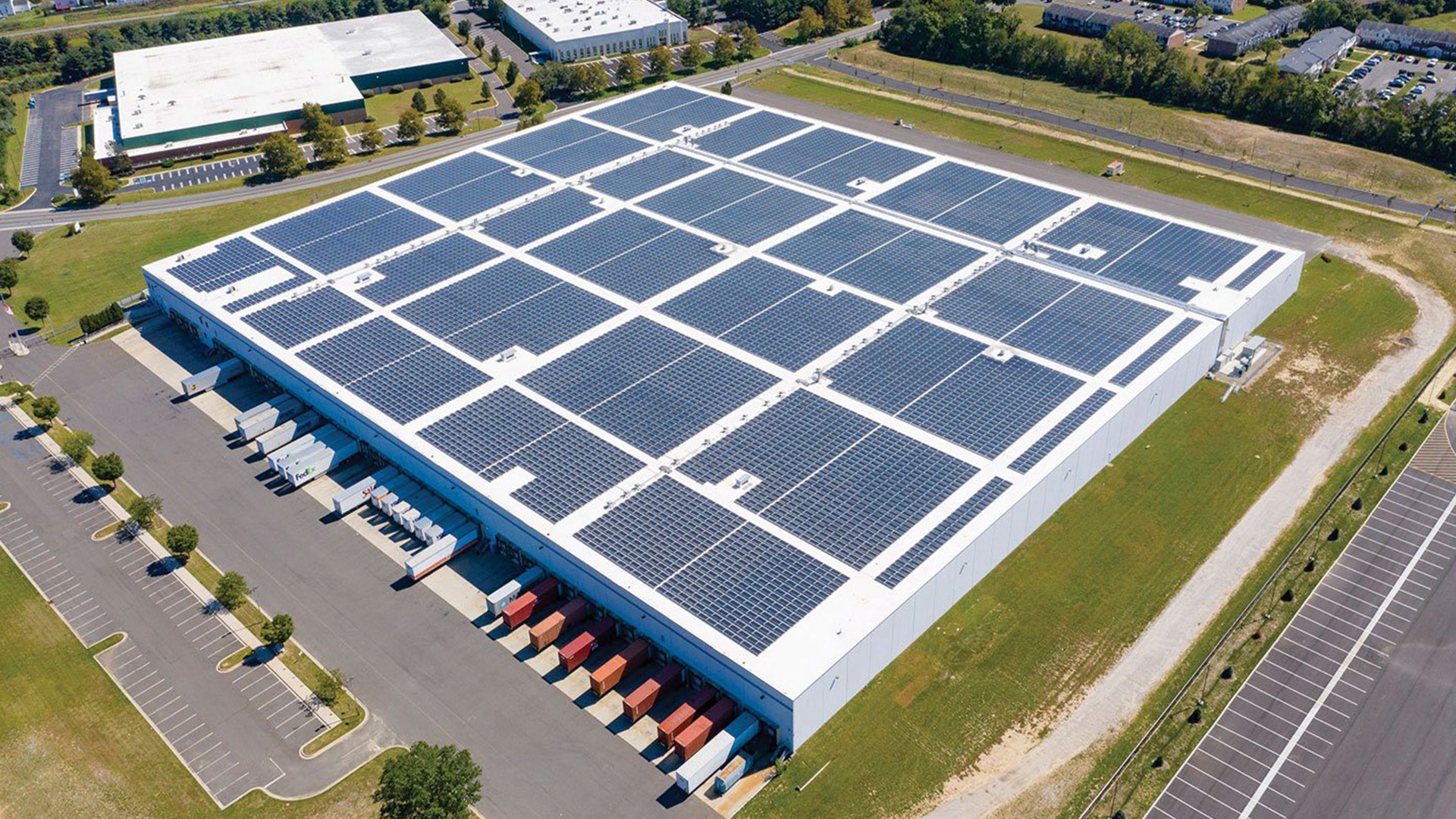
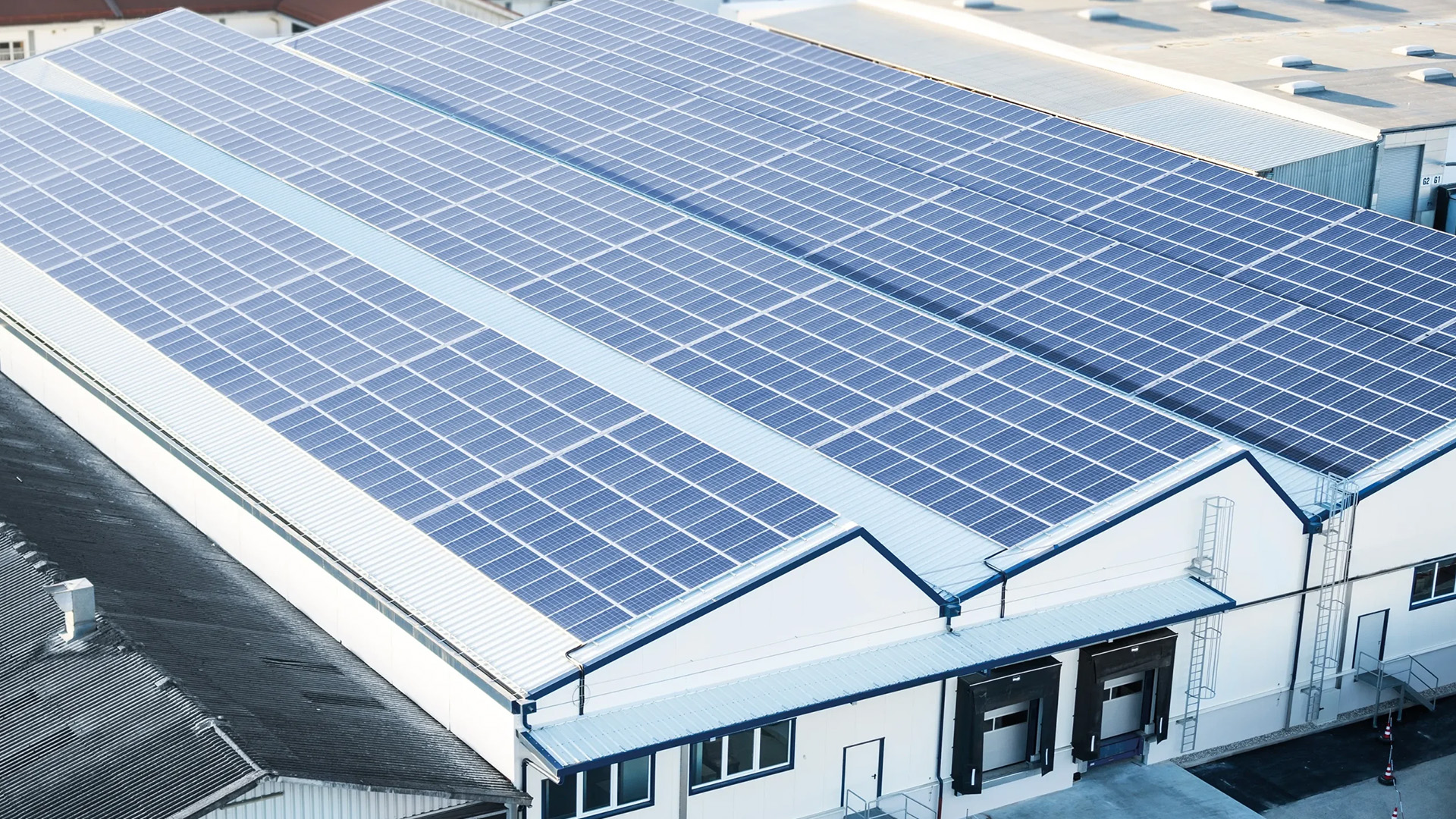
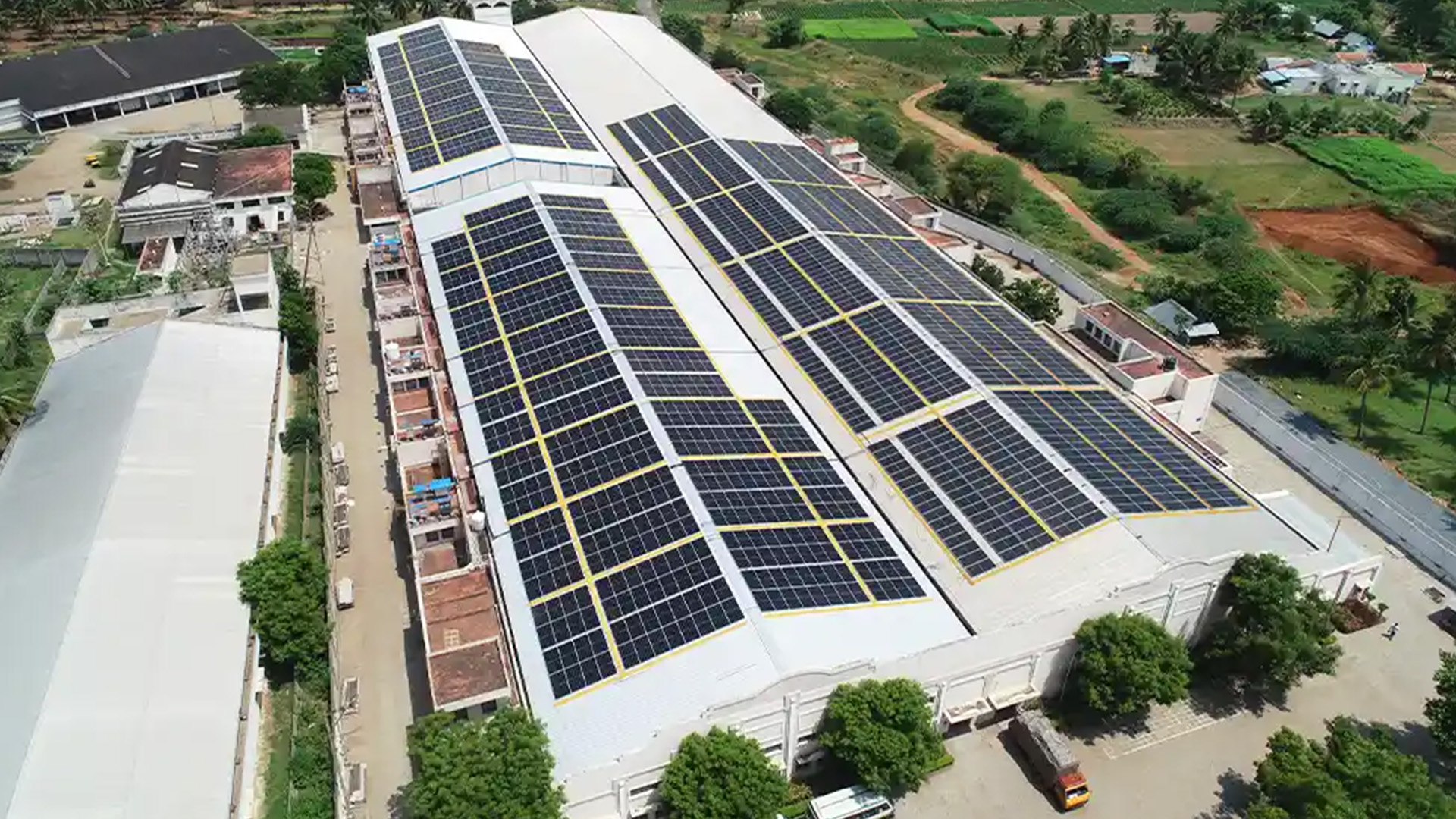
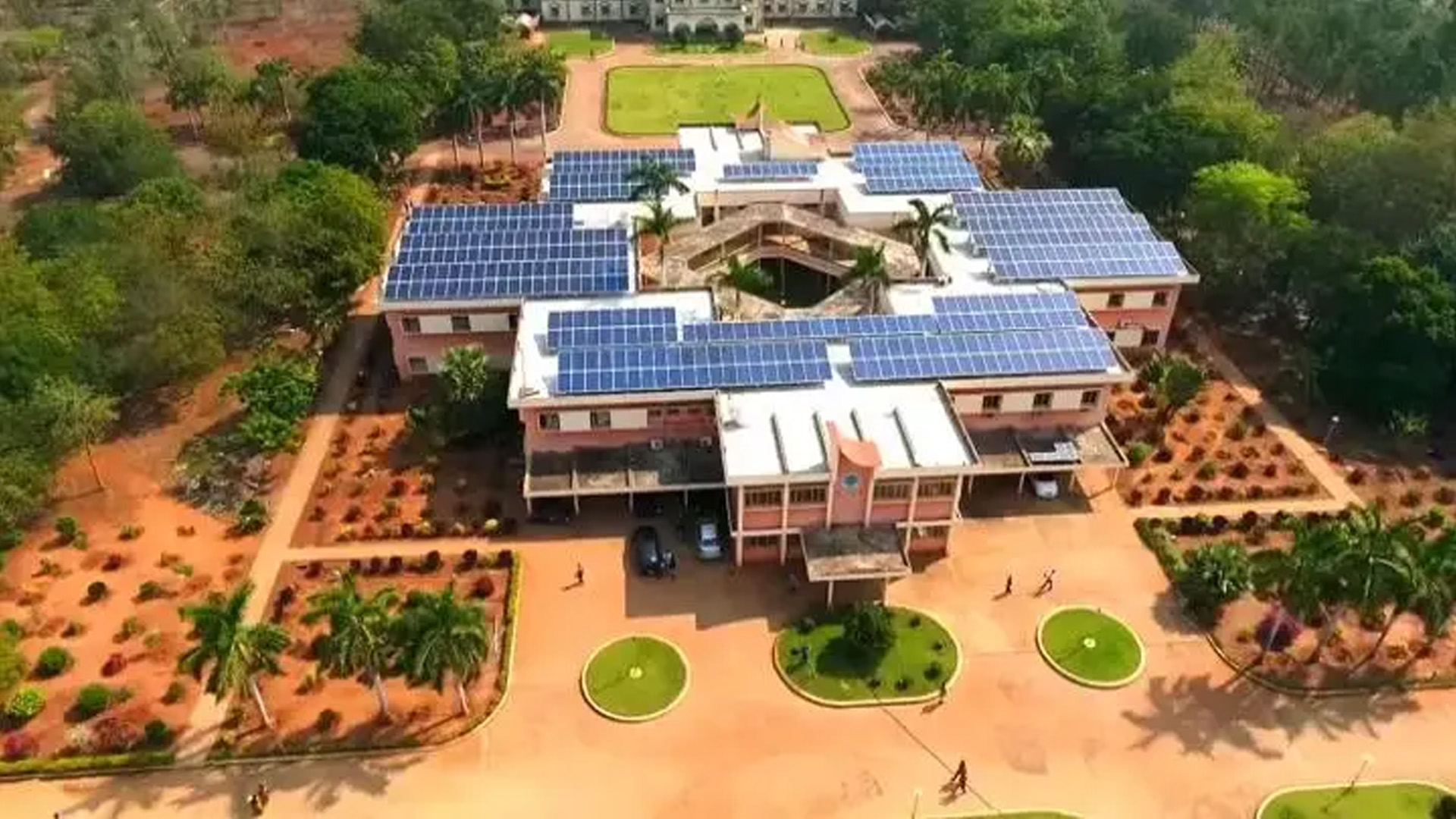
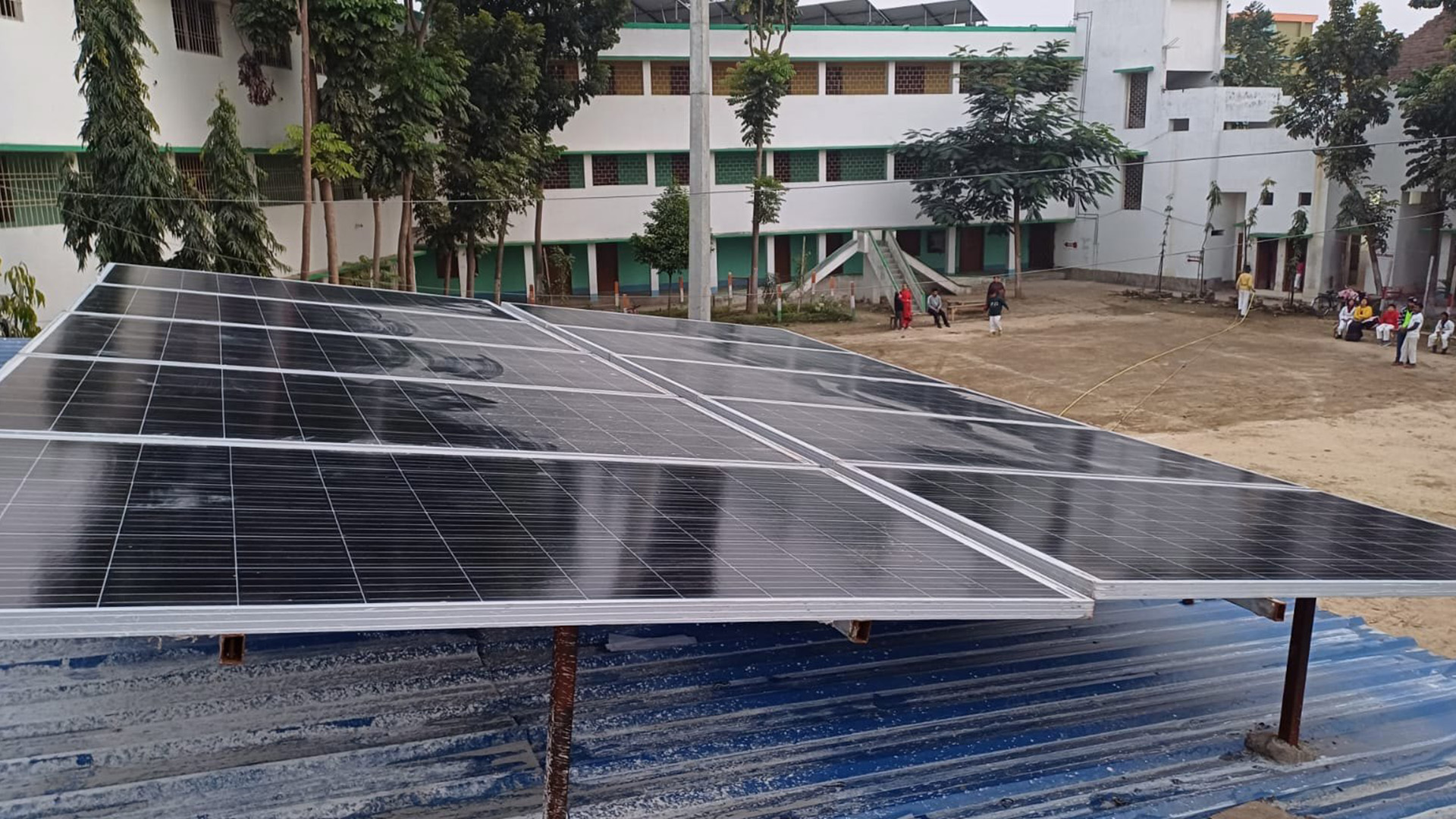
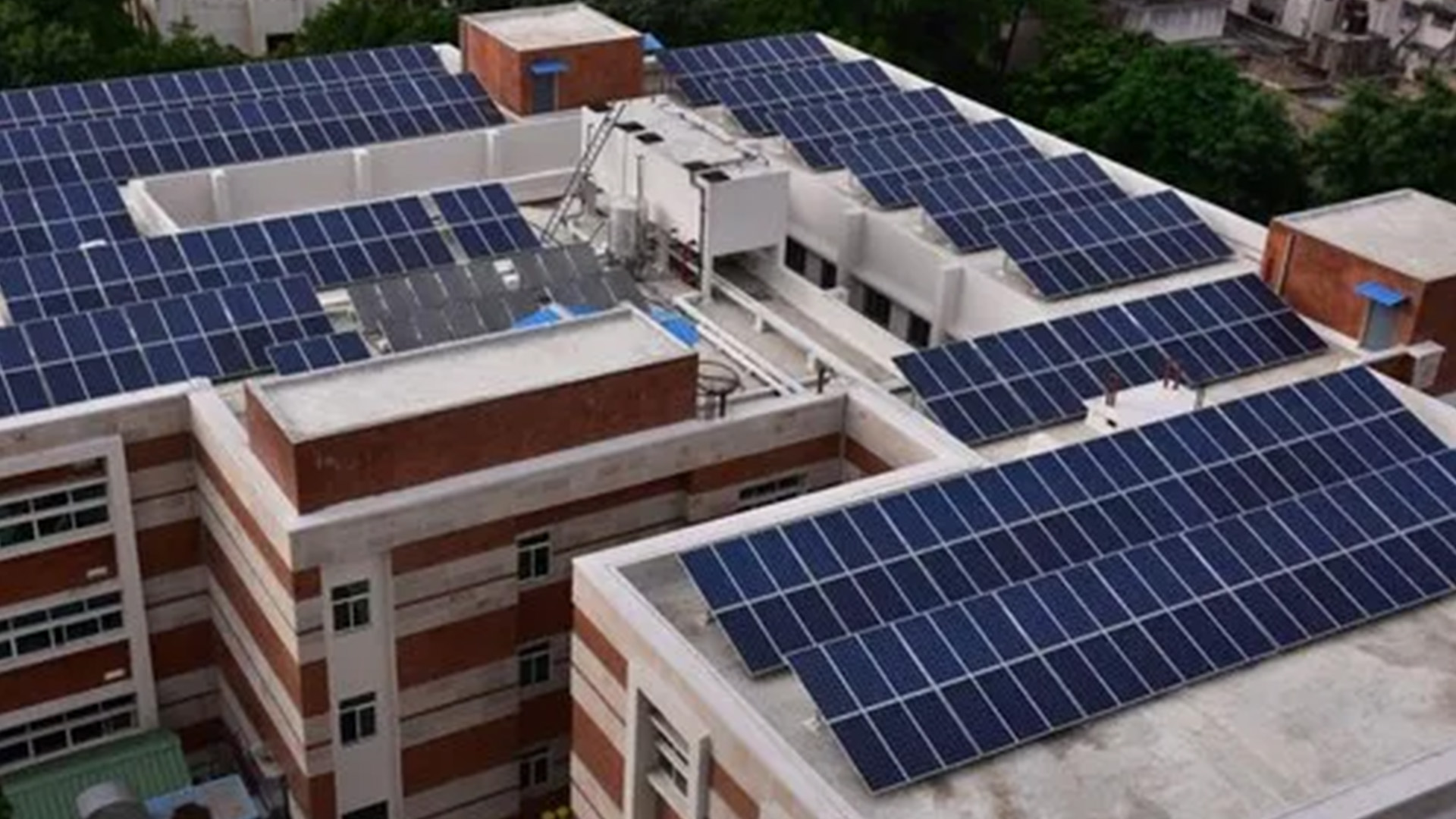
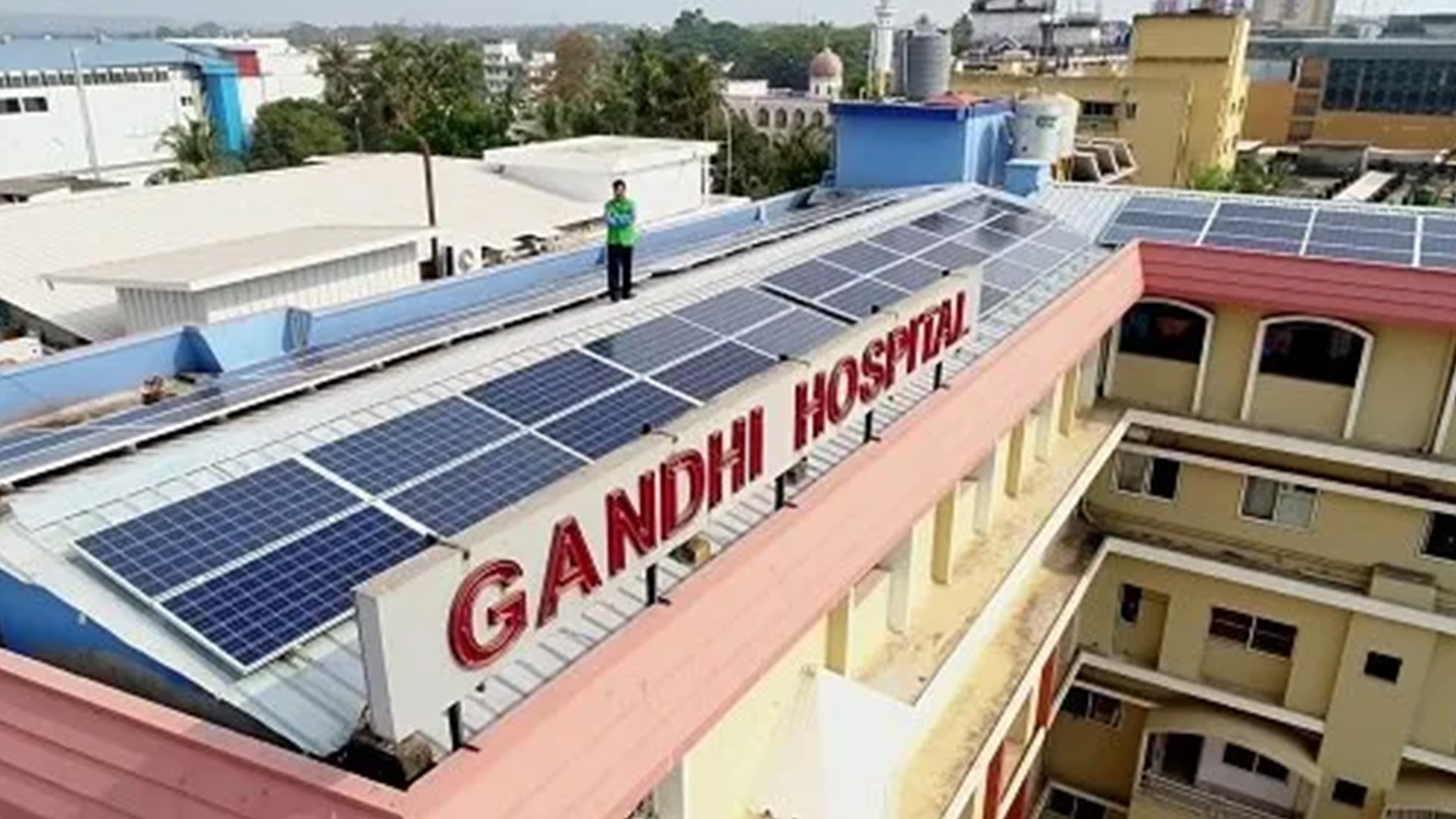
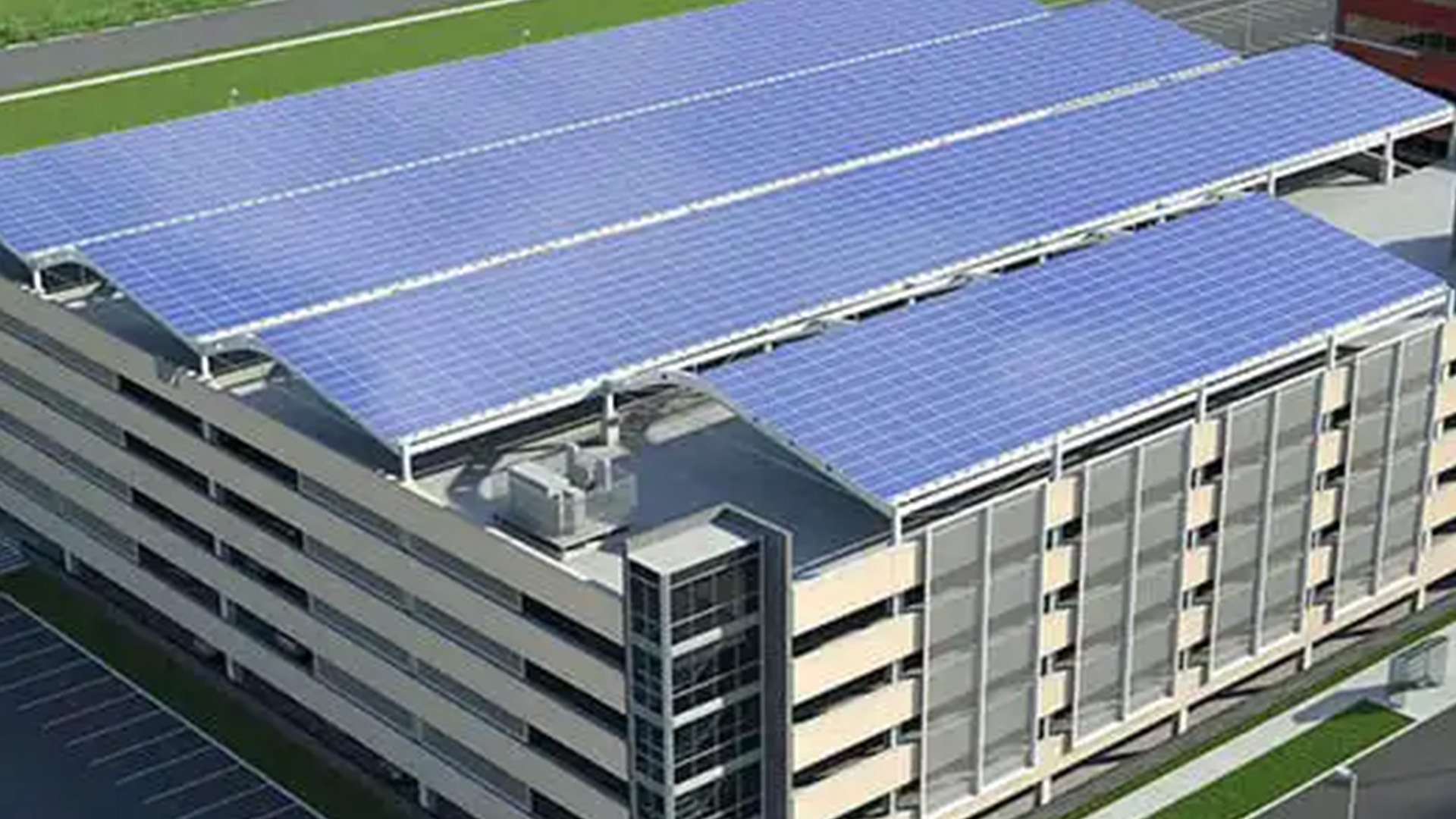
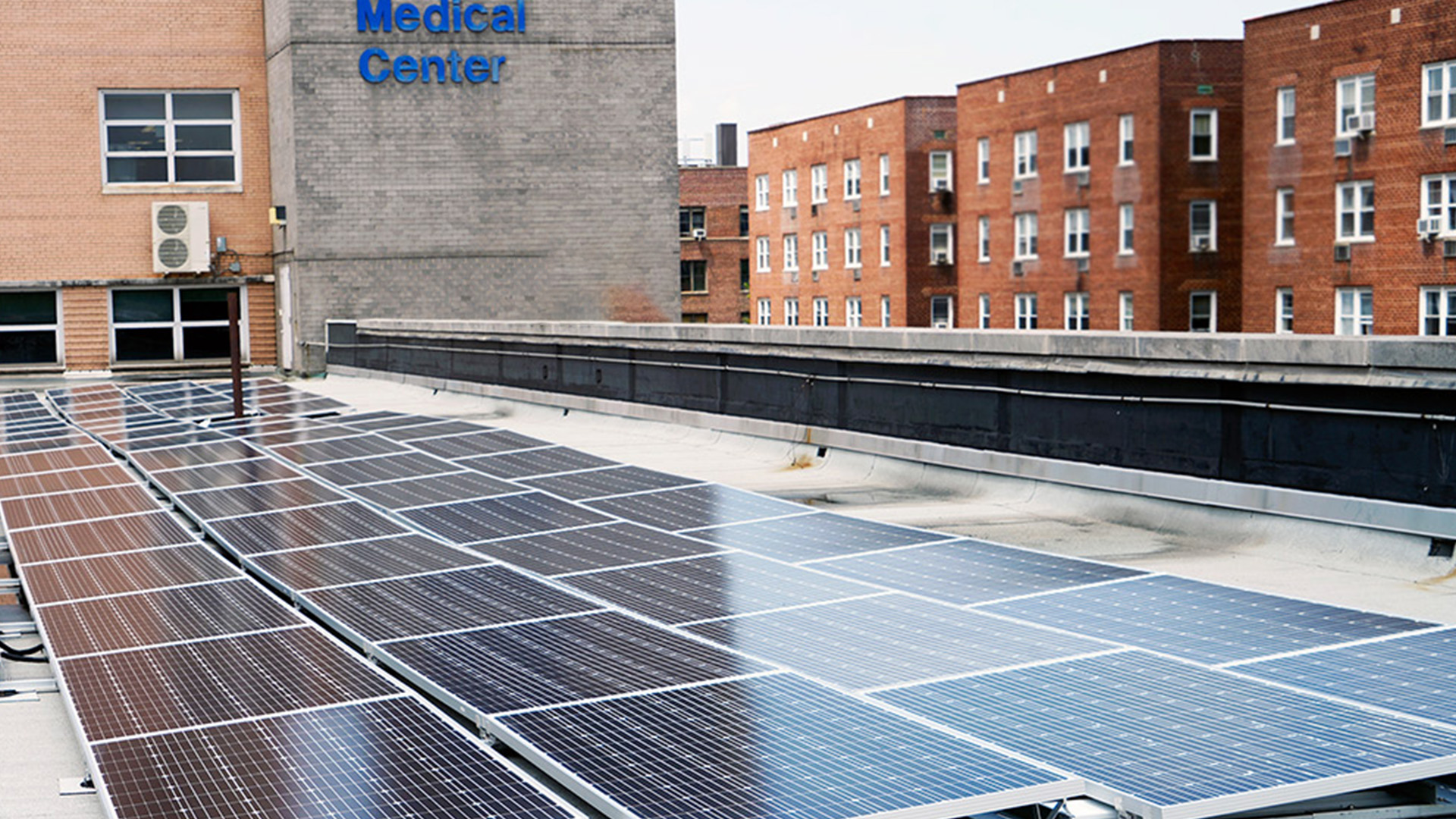
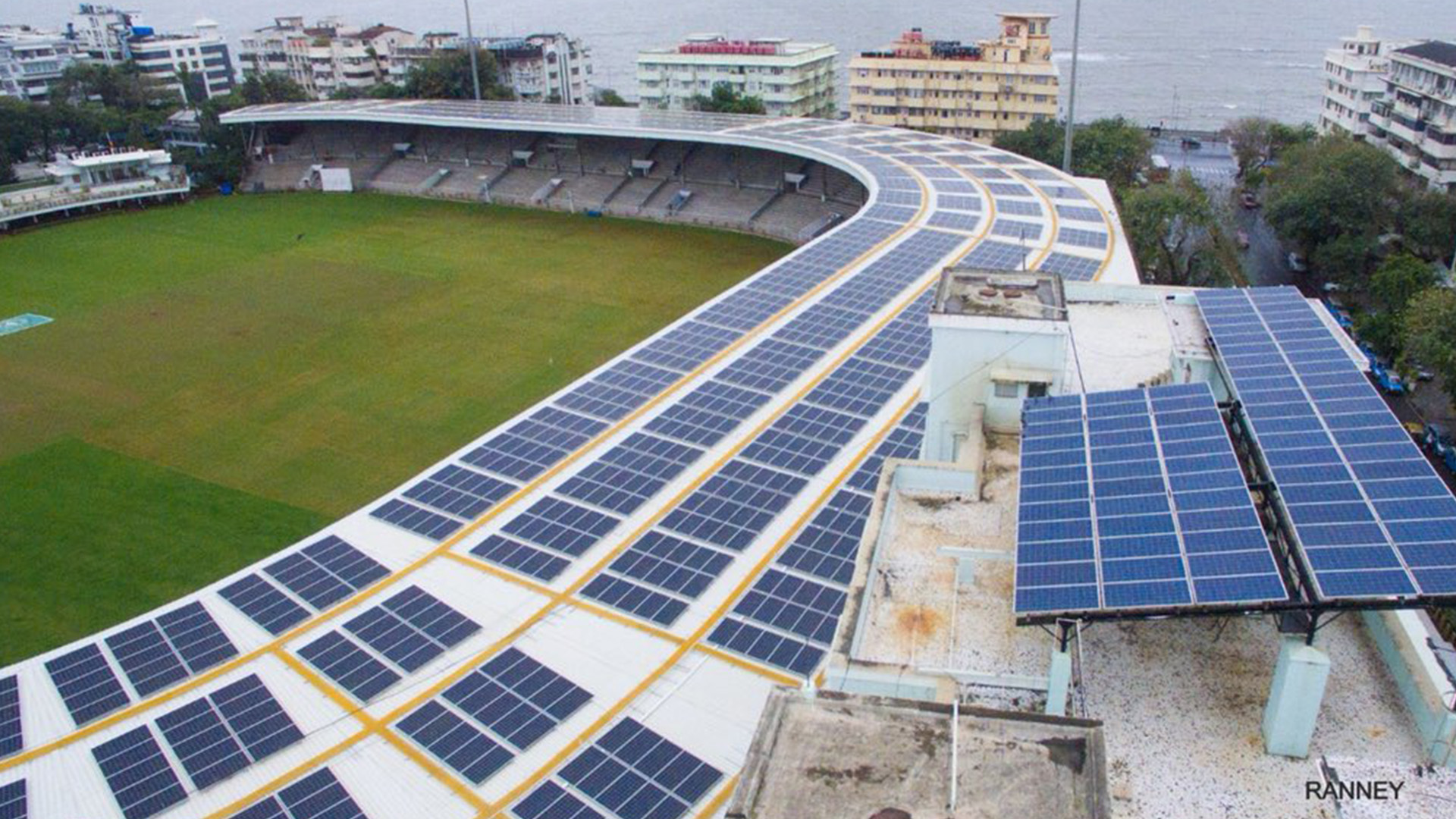
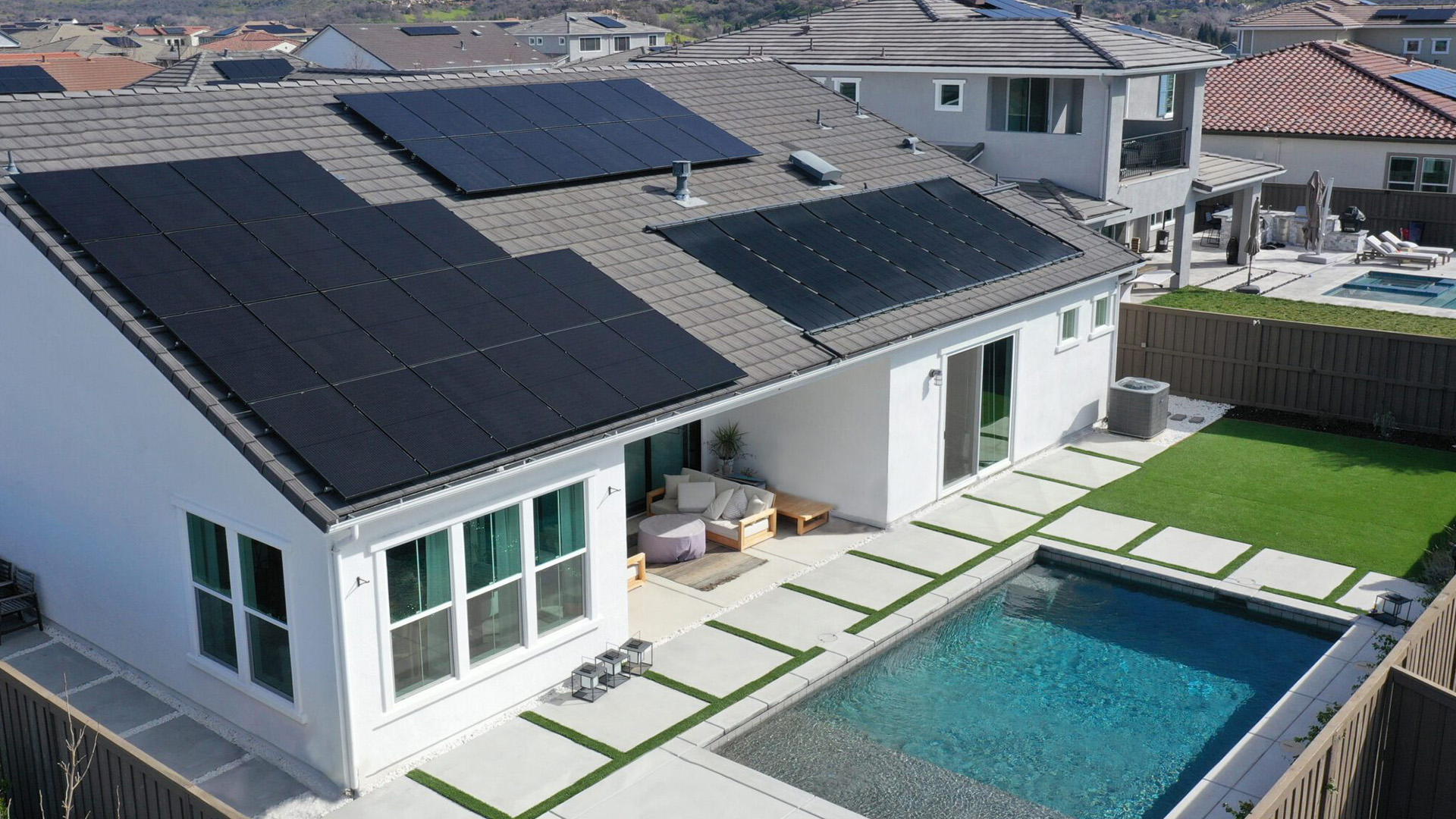
An On-grid or grid-connected solar rooftop system generates electricity using solar panels on a building's roof, converts it to usable AC power using an inverter and supplies it to the building and the main electrical grid. During the day, the system uses solar power; if more electricity is generated than is needed, the excess is sent to the grid and if more is needed, power is drawn from the grid. This popular setup, also known as a grid-tied or on-grid system, doesn't require batteries, reduces electricity bills and offers a reliable and cost-effective way to access solar energy.
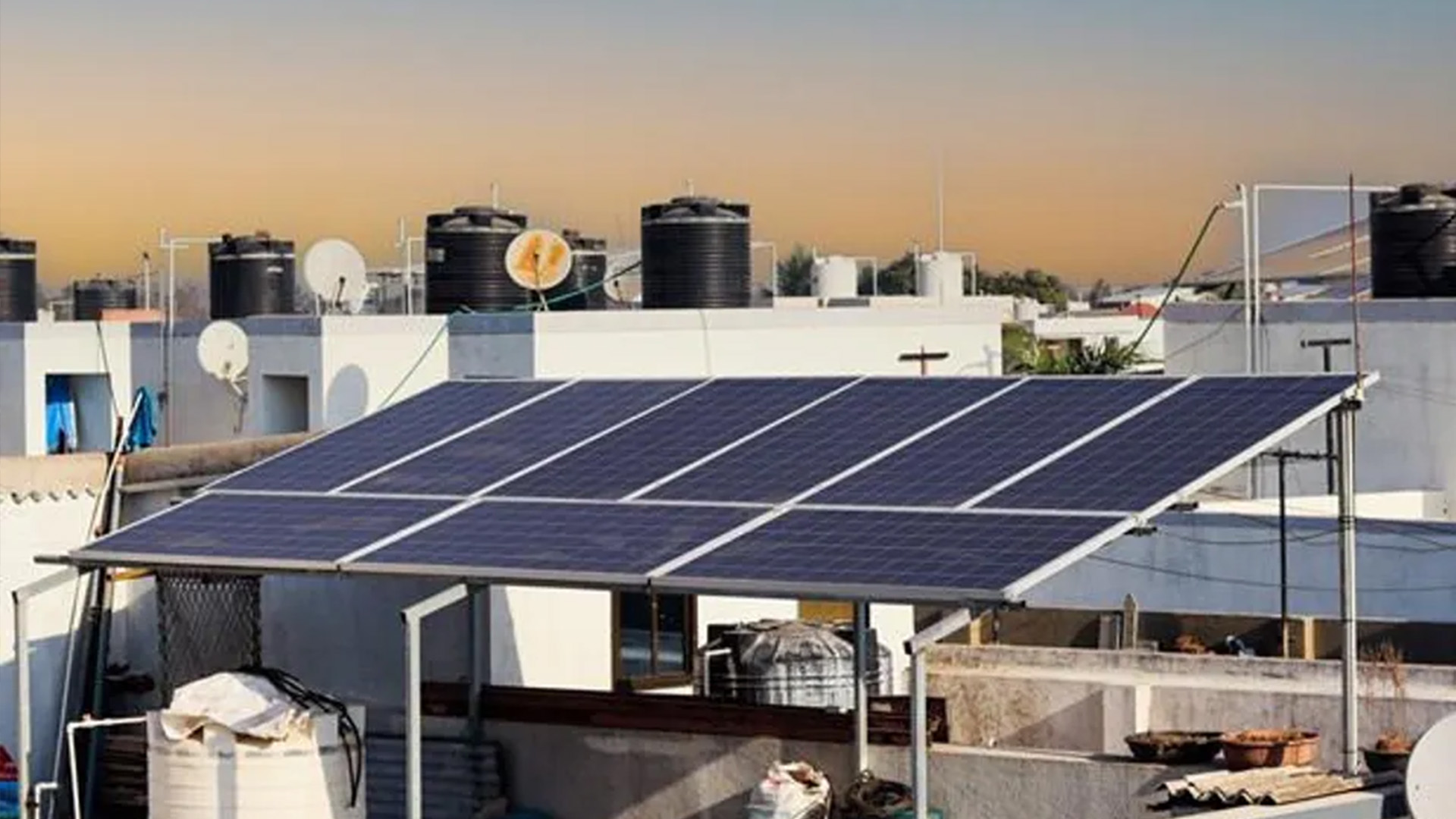
An off-grid connected solar rooftop system is a standalone power setup that uses solar panels to generate electricity, which is then stored in a battery bank for use when the sun isn't shining. It functions completely independently from the utility grid, providing a reliable power source for locations without grid access or with frequent power outages. Key components include solar panels, a charge controller, batteries and an inverter to convert direct current (DC) electricity from the panels into alternating current (AC) electricity for home use.

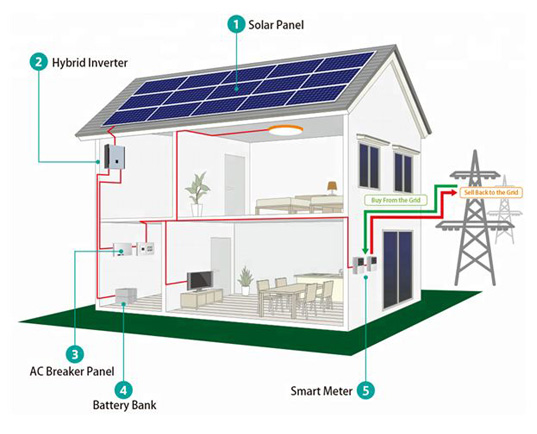
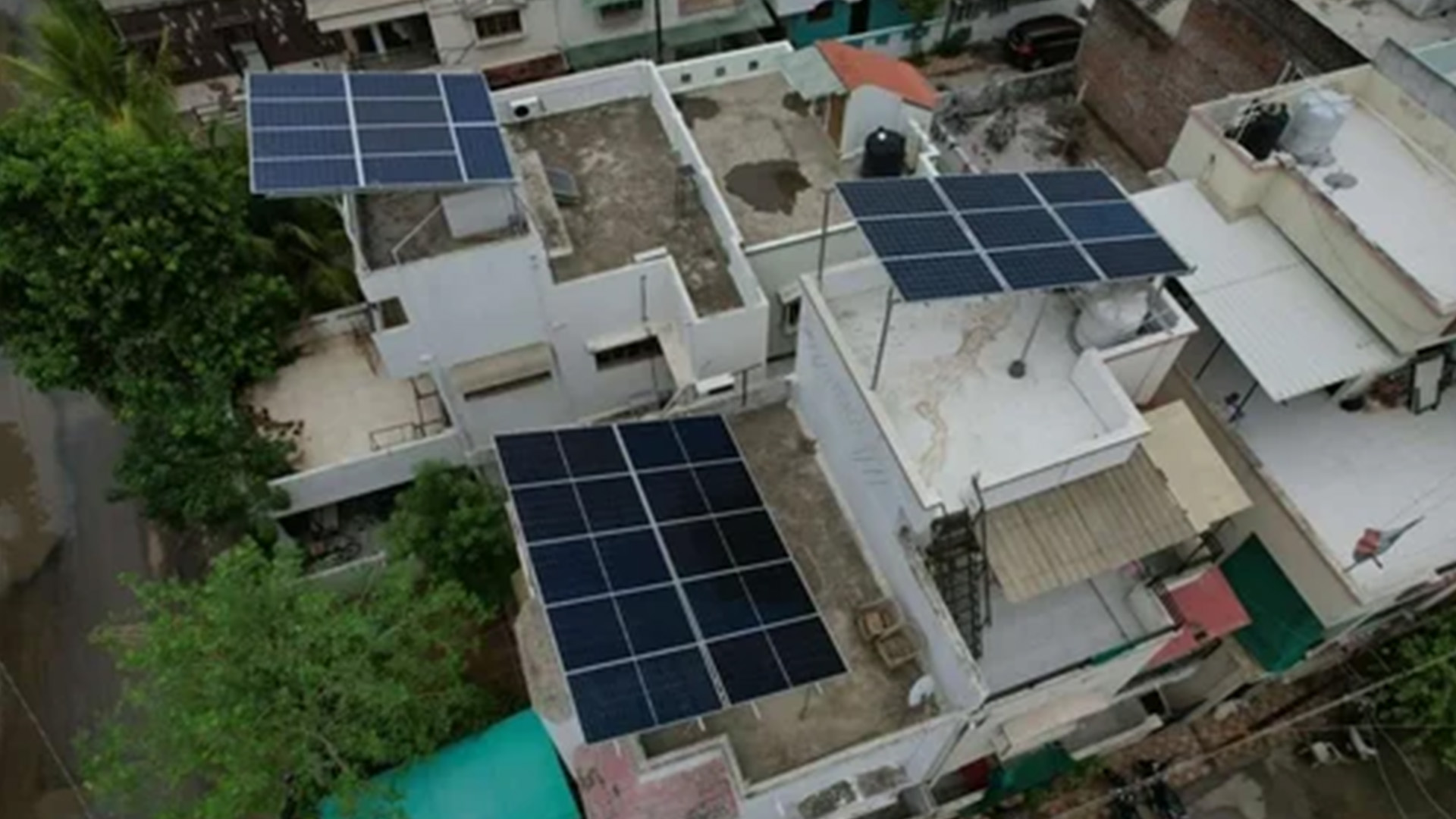
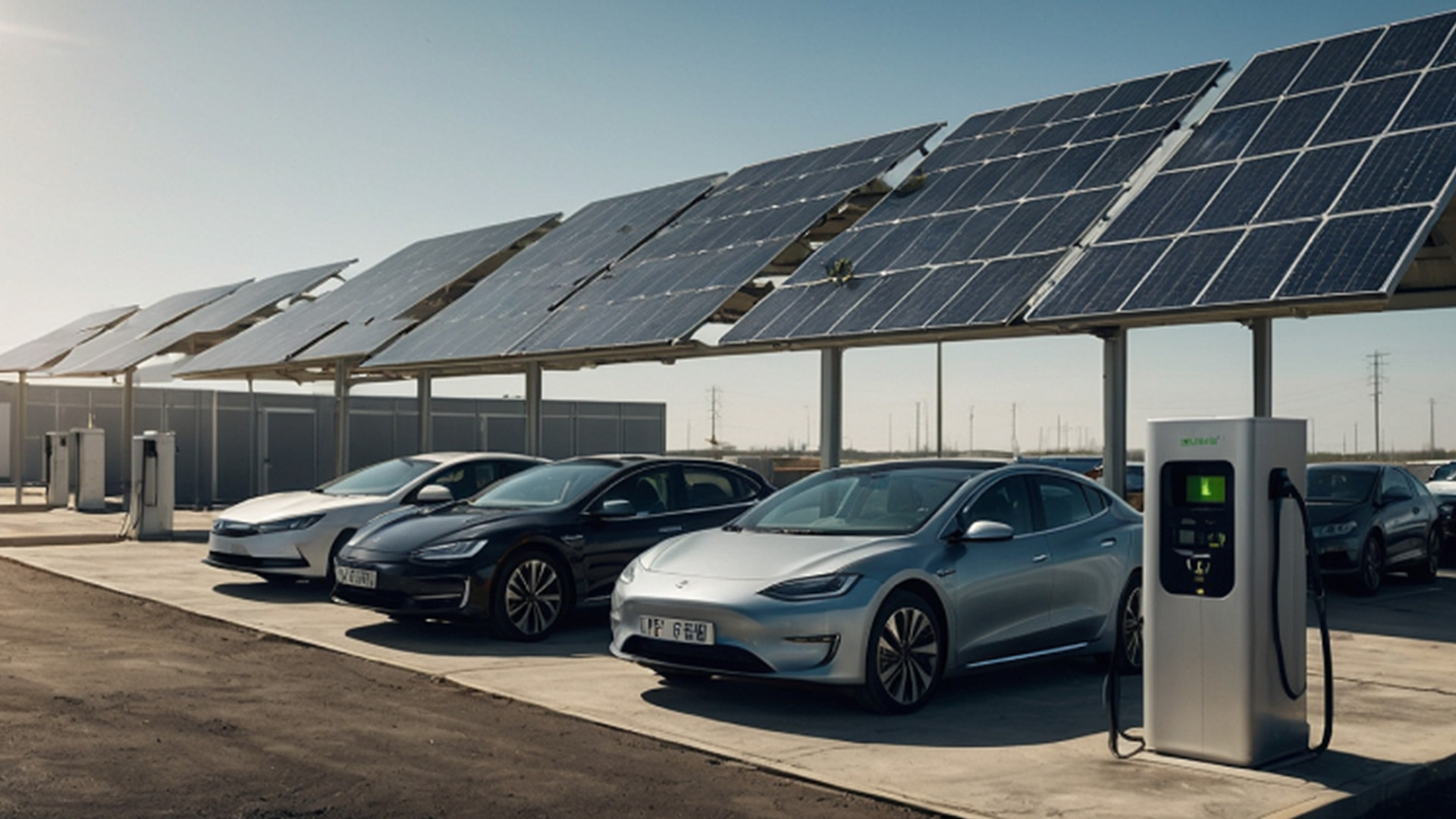
A hybrid grid solar system combines solar panels, a battery storage system and a connection to the electrical grid. This setup allows a home or business to generate electricity from the sun, store excess energy in batteries for later use and draw power from the grid when needed. Key benefits include reliable, uninterrupted power during grid outages, reduced reliance on the grid and potential cost savings by using stored solar power during peak demand times.
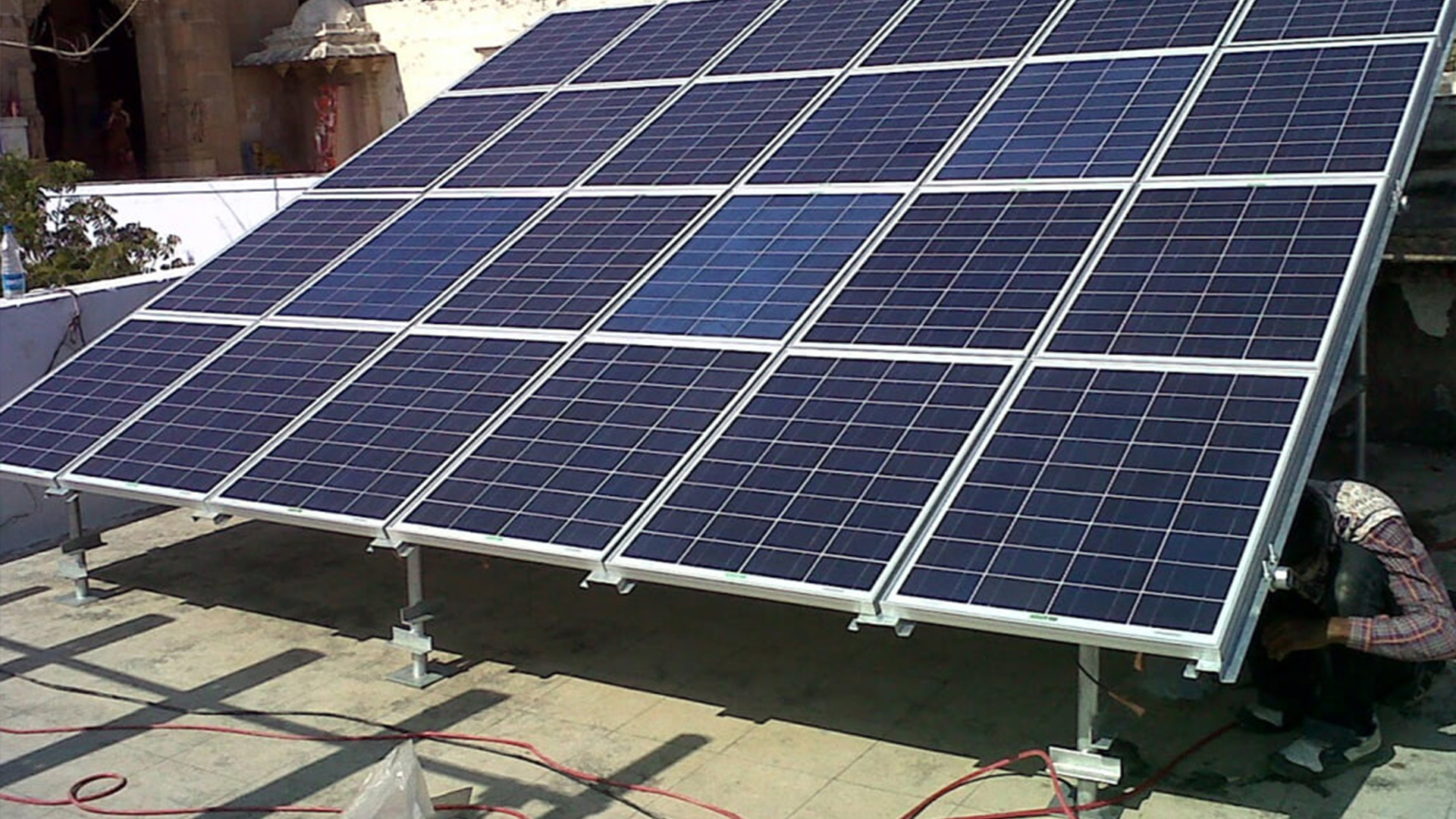
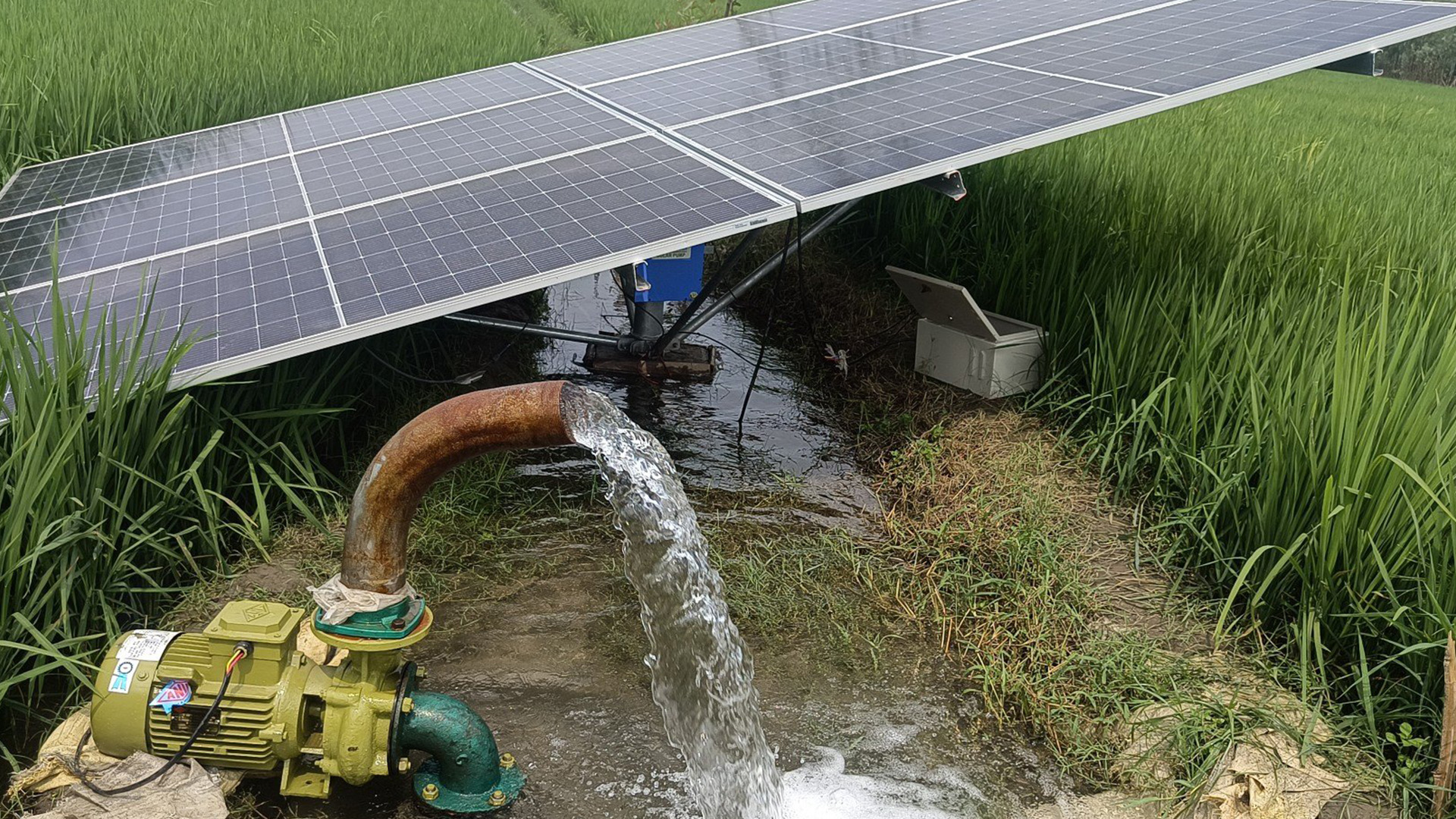
A solar pump system works by using a solar photovoltaic (PV) panel to convert sunlight into DC electricity, which then powers an electronic controller and a motor pump set to extract water from sources like wells or ponds. For AC motors, an inverter converts the DC to AC power. The system is designed for efficiency, requiring no fuel or grid electricity and is ideal for rural areas for irrigation and water supply.

Segments we cater